
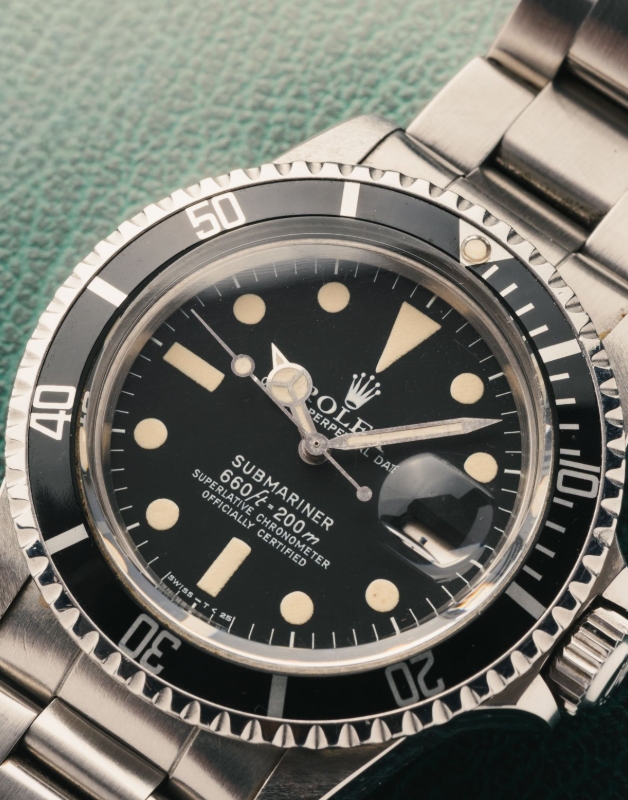
Replica watches are often presented as if a single quality label could describe the entire product. It cannot. A watch with a carefully shaped case may still use the wrong movement architecture. Another may keep acceptable time while its date sits too low, its bracelet end links move inside the lugs and its chronograph counters perform functions that do not match the dial. These are not minor variations within one recognised standard. They are different construction decisions hidden behind the same sales language.
The most useful way to examine this category is to stop treating terms such as Swiss movement, exact scale and super clone as conclusions. Each term should lead to a specific test. Which calibre is actually fitted? Do the functions match the genuine reference? Does the case preserve the correct relationship between diameter, dial opening, bezel width and crystal height? Does the bracelet taper correctly, and can the individual watch pass a pressure test?
This approach is especially relevant to Rolex-related replica watches because the familiar designs expose small proportional errors quickly. The Deepsea depends on a very thick crystal assembly and substantial case architecture. The Daytona depends on the location and behaviour of its chronograph counters. A Datejust depends on clean date alignment, bezel geometry and bracelet articulation. A logo can be copied onto all three, but the engineering problems are completely different.
The purpose of this article is not to present an imitation as equivalent to a genuine watch. It is to separate observable construction from unsupported advertising. Trademark law, import rules and consumer protection also differ by country, so technical inspection cannot remove the legal and financial risks attached to the purchase.
Replica watches are not one technical grade
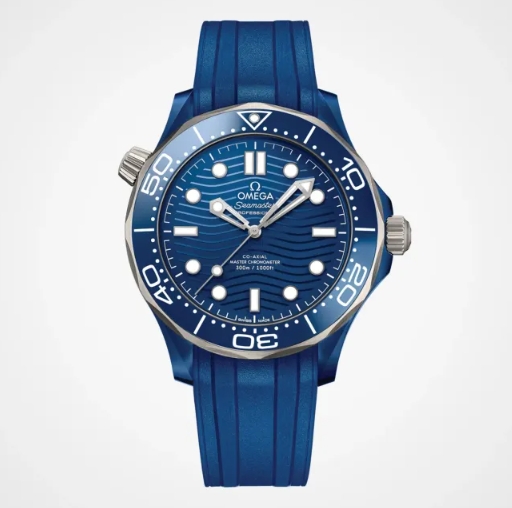
There is no independent grading body that defines the quality labels commonly used in this market. One seller may apply a premium term to a basic automatic watch; another may use the same term for a model with a different case, movement and bracelet. Factory nicknames are not a substitute for a component list, and a price increase does not prove that the internal construction has changed.
Start by separating the watch into six systems: case geometry, dial assembly, crystal and date display, movement, bracelet or strap, and after-sales support. A convincing result requires these systems to work together. If only the dial has been improved while the case remains too thick, the overall silhouette will still be wrong. If the movement has a decorated rotor but the chronograph counters are in the wrong locations, the decoration adds no functional accuracy.
Material claims require the same discipline. Stainless steel grade cannot be confirmed by colour, weight or a seller’s photograph. A ceramic-looking bezel may be ceramic, coated metal or another material. A sapphire claim is not proven by tapping the crystal or showing a staged scratch test. Yellow-gold colour can be produced by several coatings, but the depth, adhesion and repairability of those coatings vary substantially.
A practical assessment therefore needs evidence tied to the individual watch. Measurements should come from callipers placed on the actual case. Movement photographs should show the movement inside that watch rather than a stock image. A timing-machine video should include the transition between positions instead of showing one favourable result. Water resistance should be supported by a pressure test performed after assembly, because the printed depth rating on the dial has no testing value by itself.
This is the foundation for evaluating replica watches through verifiable construction details. It prevents one attractive photograph, one familiar logo or one vague grade from dominating the decision.
Rolex case proportions reveal structural shortcuts
Rolex-inspired watches are useful examples because the genuine references have tightly connected proportions. Changing one component usually affects several others. A thicker movement can require a deeper case back. A different date position can require a different dial opening or date-wheel overlay. A generic bracelet can change the apparent width of the lugs even when the case diameter is close.
The first measurement should be case diameter without the crown. The second should be lug-to-lug length, followed by total thickness from the lowest point of the case back to the highest point of the crystal. Bracelet width at the lugs and at the clasp should also be recorded. These numbers do not guarantee accuracy, but they expose descriptions that rely on diameter while concealing excessive height or fixed end links that extend beyond the wrist.
Side-profile photographs are more useful than another straight dial image. They show how far the bezel rises above the middle case, whether the crystal sits too high, how the case back changes the total thickness and whether the crown is centred within the guards. A watch can look balanced from above while appearing top-heavy from the side.
Deepsea 136668LB proportions
The genuine Rolex Deepsea reference 136668LB provides a demanding reference point. Rolex specifies a 44 mm yellow-gold case, a Ringlock case architecture, a unidirectional blue ceramic bezel, a domed sapphire crystal measuring 5.5 mm thick and calibre 3235 with an approximate 70-hour power reserve. Those facts matter because the watch is not simply a large Submariner with a blue bezel. Its visual identity depends on the depth of the crystal, the inner compression ring, the broad case and the way those components surround the dial.
On a Deepsea-inspired replica, measure the visible dial opening relative to the bezel. If the opening is too small, the hour markers and text feel crowded toward the centre. If the bezel is too narrow, the heavy case loses the deliberate density of the original. The inner ring must sit concentrically, its text should maintain an even distance from the crystal and the date window should not appear pushed inward by an unsuitable movement or overlay.
Crystal height is a structural issue rather than a decorative one. The genuine reference uses a very thick domed sapphire component as part of its pressure-resistant architecture. A replica may imitate the dome without reproducing the construction beneath it. The presence of a tall crystal therefore does not confirm water resistance. It can instead introduce distortion at the dial edge or leave an exposed lip above the bezel.
The yellow-gold surface introduces a separate inspection. Case, crown, bezel edge, bracelet and clasp should be viewed under the same neutral light. A pale case beside orange-toned centre links shows inconsistent coating or substrate. Inspect the sides of removable links, the corners around screw heads, the clasp blades and the underside of the end links. These are friction points where thin coating usually changes first. Deepsea 136668LB replica case proportions matter more than a close colour match in one edited photograph.
Daytona chronograph layout
The current genuine Cosmograph Daytona uses Rolex calibre 4131. Its small seconds display is at six o’clock, the 30-minute chronograph counter is at three and the 12-hour counter is at nine. The movement uses a column wheel and vertical clutch, and Rolex lists an approximate 72-hour power reserve. These details create a fixed relationship between the dial and the mechanism underneath it.
A different movement architecture may place the counters farther from the centre, change which counter carries the running seconds or require a thicker case. Decorative plates cannot correct those relationships. Before judging the print or bezel, identify what every hand does. The central chronograph seconds hand should remain still until the chronograph starts. The minute counter should advance according to elapsed time, not continuously imitate a seconds display. The hour counter should record elapsed hours rather than a calendar function.
Test the sequence several times. Start the chronograph and observe whether the central hand begins cleanly or jumps. Stop it and check for drift. Reset it and confirm that all chronograph hands return precisely to zero. Uneven pusher pressure, a hand that resets to one side or counters that do not correspond with their labels are functional problems, not minor finishing differences. Daytona replica chronograph movement layout must be evaluated before dial similarity.
Case thickness should then be considered as evidence of the movement choice. A watch that is visibly deeper than the reference may be using a movement with additional modules or a layout that requires more vertical space. The extra height also changes the position of the crown and pushers when viewed from the side. This is why a front photograph cannot establish whether a Daytona-style case is proportionally coherent.
Datejust and daily-wear details
A Datejust-inspired watch has fewer obvious mechanical complications, but its restrained design makes assembly errors easier to see. The date numeral should be centred through the entire month, not only on the sample date used in photographs. The magnifying lens should align with the aperture, and the date should change cleanly rather than spending a long period halfway between numerals.
Fluted bezel facets should repeat evenly around the case. Unequal facet width or soft polishing produces irregular reflections that become obvious in ordinary room light. On a Jubilee-style bracelet, the small centre links must move freely without leaving large vertical gaps. The first link should articulate close to the case so that the bracelet follows the wrist instead of extending the effective lug-to-lug length.
These examples show why the broad phrase Rolex replica cannot describe one quality standard. Deepsea geometry, Daytona mechanics and Datejust alignment require different evidence.
Swiss movement claims need calibre level proof
Search interest around Swiss replica terminology often reflects a desire for a reliable movement, but the word Swiss is not a calibre number. It does not tell the reader who manufactured the movement, where it was assembled, whether all parts are original to that calibre or whether a local watchmaker can obtain replacement components.
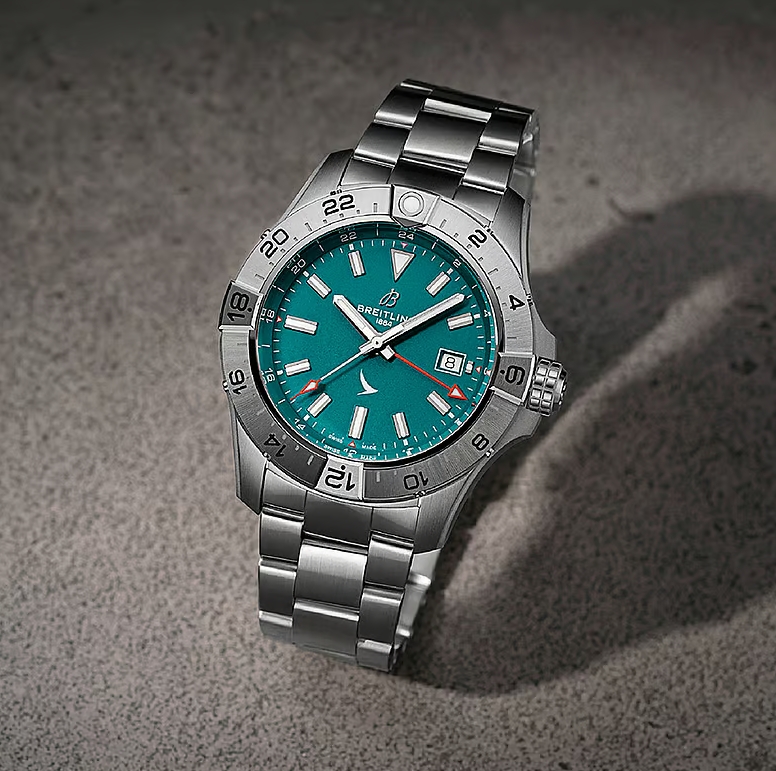
A useful movement description should identify the calibre family, winding system, frequency, functions, power reserve and service route. It should explain whether the movement is stock, modified or fitted with decorative components. If the movement is described as a clone, the description should state which architecture is being copied and which parts are actually interchangeable. Without those details, Swiss movement is only a marketing phrase.
Movement behaviour can then be checked against the dial. A date watch should offer the expected crown positions for winding, date setting and time setting. Stop-seconds should work if it is claimed. The date should move in the correct direction and sit at the correct height. On a GMT-style model, the seller should identify whether the local-hour hand or the 24-hour hand can be adjusted independently. Calling both arrangements GMT does not make their operation identical.
A timegrapher adds useful evidence when its limitations are understood. Rate indicates the measured daily gain or loss during that short test. Amplitude reflects the balance swing under the tested conditions. Beat error shows the timing difference between the two halves of the oscillation. One dial-up reading cannot predict performance on the wrist. A better assessment records several positions at a known state of wind and watches for large changes rather than selecting the most attractive number.
Rotor noise, hand-winding feel and crown engagement also matter. A rotor that spins freely and loudly may point to the design of the winding system, loose components or poor lubrication. Grinding during winding or a crown that fails to engage consistently is more important than a decorated bridge. The case back should not be opened merely to satisfy curiosity unless the correct tools and replacement seals are available, because scratches, dust and damaged gaskets create new problems.
Power reserve should be tested from a controlled starting point. Wind the stopped watch according to the movement’s safe procedure, record the start time and leave it undisturbed until it stops. A result far below the stated figure may indicate incomplete winding, regulation issues, friction or an inaccurate claim. Repeating the test helps separate one handling error from a consistent shortfall.
Decoration must remain separate from architecture. An engraved rotor or bridge cover can imitate the appearance of a Rolex calibre through an open case, but it does not change the gear train, escapement, hand stack or chronograph system underneath. Swiss movement evidence for replica watches consists of identity, operation, measured behaviour and serviceability, not engraving alone.
Dial crystal and bracelet tolerances expose assembly quality
Once case geometry and movement function are understood, the external finishing can be examined in a fixed order. Begin at twelve o’clock and use the minute track as a reference. The crown, bezel marker, dial marker and printed minute line should share the same visual axis. Continue around the dial and look for markers that lean, sit at different heights or point between minute lines.
Dial printing should be inspected under soft side light and moderate magnification. Heavy sharpening in product photographs can hide fuzzy letter edges and excess ink. Curved text should maintain an even arc, and spacing should remain consistent within the same line. The aim is not to compare microscopic details that disappear in normal wear. It is to identify repeatable assembly errors that remain visible at ordinary reading distance.
Hands must be judged for length, finish and vertical clearance. The minute hand should reach the appropriate track. The seconds hand should not touch an applied marker or the crystal. Stacked hands need enough clearance to pass one another without bending upward. Watch the hands through a full cycle when possible; contact can appear only when two hands overlap.
The date display should be checked on several numerals. Single digits, narrow double digits and wide double digits can sit differently on the same wheel. An overlay used to reposition the date may increase the height of the disc and place the numeral too close to the dial. It may also alter the moment of the date change. Magnification enlarges these errors rather than correcting them.
Crystal claims should be separated from optical quality. A crystal may be sapphire while still having poor anti-reflective treatment, an incorrect edge profile or the wrong height. Strong blue coating can alter a black dial in daylight. A poorly centred magnifier can distort one side of the date. A domed crystal can create normal edge distortion, but severe distortion at modest angles suggests that the profile does not suit the dial and bezel geometry.
Bracelet inspection begins at the end links. They should meet the case without obvious vertical steps, wide side gaps or clicking movement. The bracelet should taper toward the clasp in the same visual rhythm as the reference design. Screws should sit flush, link edges should feel smooth against the skin and the first movable link should articulate without binding.
The clasp should close with a defined action and resist opening under normal pressure. Extension or micro-adjustment systems should remain in the selected position. Decorative engraving inside the clasp is secondary to the hinge, locking surfaces and spring bars. Weight alone is weak evidence because extra mass can be added without improving tolerances. Replica watch dial and bracelet tolerances are revealed by alignment and movement, not by heaviness.
A repeatable inspection protocol replaces grade names
The following sequence turns broad claims into evidence. It is intentionally ordered so that identity, structure and function are checked before cosmetic appeal.
- Identify the exact reference. Record the genuine reference number, case material, movement and functions. Do not compare a watch with a mixture of photographs from different generations.
- Request images of the individual watch. Obtain a straight dial image, both side profiles, the case back, clasp, end links and crown. Stock photographs cannot reveal individual alignment.
- Measure the case. Record diameter without crown, lug-to-lug length, total thickness, lug width and bracelet width at the clasp.
- Map every function. Operate each crown position, pusher, bezel and adjustable hand. Confirm that every subdial performs the function printed beside it.
- Check the movement claim. Obtain the calibre identity, an unedited movement image when practical, timing results in several positions and a realistic service route.
- Observe a full date change. Check when the change begins, when it completes and whether several numeral shapes remain centred.
- Inspect alignment under plain light. Avoid judging only from high-contrast studio photographs. Use the minute track to compare bezel, markers, hands and date.
- Test water resistance independently. Do not expose the watch to water based on dial text or a generic seller statement.
- Examine wear points. Inspect link edges, screw heads, clasp blades, crown threads and coated corners where early deterioration is most likely.
- Read the return terms before payment. Confirm the return address, deadline, shipping responsibility, inspection conditions and available dispute process.
| Claim | Evidence worth requesting | What the evidence still cannot prove |
|---|---|---|
| Swiss movement | Calibre identity, actual movement image, function test and service information | Long-term reliability without ownership history |
| Exact proportions | Calliper measurements and unedited side-profile images | Internal construction or sealing quality |
| Sapphire crystal | Reliable material test and clear edge-profile photographs | Correct anti-reflective coating or installation |
| Water resistance | Individual dry and wet pressure-test records from a competent tester | Future sealing after the crown or case is opened |
| Gold appearance | Neutral-light images of case, bracelet, clasp and friction points | Coating thickness or future wear rate |
| Accurate timekeeping | Timegrapher readings in several positions and an extended wrist test | Parts availability or long-term durability |
For readers researching replica watches in Canada, the inspection does not end with the watch. Confirm the currency used for payment, the country from which the parcel will ship, the destination for returns and whether taxes, duties or carrier fees may be collected on arrival. A Canadian-facing website does not necessarily mean that stock, service or refunds are handled within Canada.
Cross-border returns can turn a technically acceptable watch into a poor ownership decision. A short return window may expire while a parcel is in transit. Shipping a watch internationally may require customs declarations and insurance that the seller has not discussed. Payment protection can provide a dispute route, but it does not guarantee that a product is lawful to import, accurately described or economical to return.
Trademark and counterfeit rules should be checked independently for the buyer’s location. A technical comparison does not remove the possibility of seizure, loss of payment, unavailable service or a seller disappearing. These risks belong in the same decision as case accuracy and movement performance.
The strongest replica watch content does not repeat grade names or promise certainty. It explains which differences are visible, which are mechanical, which require testing and which cannot be resolved before ownership. That is the standard readers need when broad marketing terms are doing more work than the evidence.
Replica watches should ultimately be judged model by model and component by component. Rolex case proportions, Deepsea crystal architecture, Daytona counter functions, date alignment, calibre identity, bracelet tolerances and cross-border support each answer a different part of the decision. When those details are documented, the reader has something concrete to evaluate. When they are missing, no amount of Swiss wording can replace them.


Popular
-
 جاكت اسود (نسخة)
450,00 EGP
-
 بدي كم خريفي (نسخة)
250,00 EGP
-
 بدي كم خريفي (نسخة)
250,00 EGP
-
 سويت سوفت حريمي (نسخة)
450,00 EGP
-
 بدي كم خريفي (نسخة)
450,00 EGP
Leave a Reply